 by Matt Rej
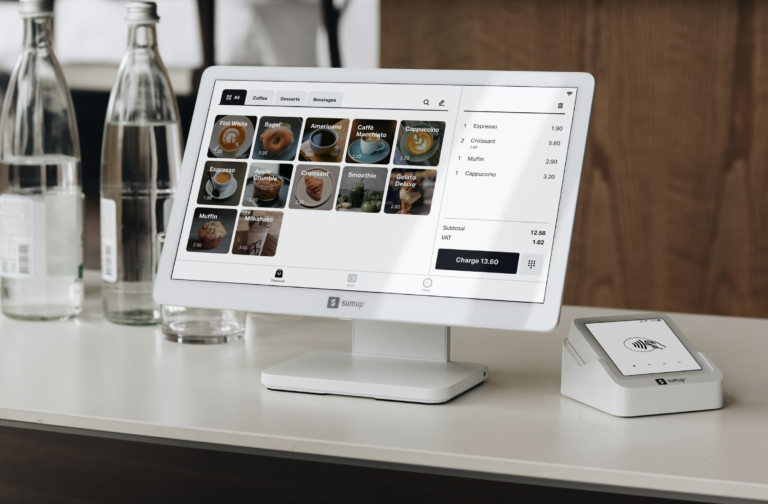

Credit card terminals aren’t cheap. Even low-end credit card machines can start around a few hundred dollars, and for businesses with multiple locations or checkout points, your hardware investment can easily reach five figures.
So whether you’re about to make a large hardware purchase and want to know you’re committing to, or you already have credit card machines and you’re wondering if they work with a new processor, here’s what it comes down to:
It depends entirely on the processor and type of terminal. Some credit card machines are built to work with any processor, while others are locked into one platform (and no amount of reprogramming can change that).
Key Takeaways
- Credit card terminals fall into two categories: universal (open market) and proprietary (closed/locked)
- Proprietary systems like Clover, Square, Toast, and SkyTab cannot be used with another processor.
- Universal terminals like Verifone, Ingenico, and PAX can typically be reprogrammed for a new processor.
- Many processors that sell proprietary hardware also support universal terminals, meaning the “lock” is only one-way (with exceptions).
- But even universal processors are designed to run on one processor at a time, not split between two providers simultaneously.
Before you consider switching providers or getting new credit card machines, it’s worth exploring whether you can get better rates with your current processor. In most cases, you can save money without switching anything.
The Short Answer: It Depends on Your Terminal
Yes, in many cases you can use your existing credit card machine with a different processor. But it depends on whether your terminal is universal or proprietary.
Universal terminals are built for broad compatibility. Any processor willing to build software for the device can program it to run on their platform. These can be reprogrammed quickly when you’re switching providers, and it can typically be done remotely.
Proprietary terminals are built to work exclusively with one company’s platform. The hardware, software, and payment infrastructure are intentionally locked together under one roof. If you have one of these, switching processors means you need to buy all new equipment.
Proprietary Terminals Locked Into One Processor
Credit card terminals and proprietary POS systems cannot be reprogrammed to work with another processor. This is an intentional technical limitation that’s baked into how these systems are built.
Examples include:
Square
Square terminals only work on Square’s platform, and Square does not support any outside hardware on its network. This relationship is completely closed within the Square ecosystem.
You can’t bring a Square reader to a new processor, and Square won’t work with non-Square devices.
Toast
Toast is a vertically integrated platform built specifically for restaurants. The hardware, software, and payment processing are all tied together for design. If you leave Toast, you can’t bring your Toast hardware with you.
However, Toast does support some universal terminals (including Verifone card readers). So while Toast’s own proprietary hardware is locked, the lock is only in one direction.
Clover
Clover POS hardware only works with Fiserv as the backend payment processor. Many banks and ISOs resell Clover equipment, but behind the scenes, all Clover transactions are going through Fiserv.
So if you want to switch from Clover to a non-Fiserv processor (Ex: Clover to Stripe or Clover to Adyen), your hardware won’t work.
It’s also worth noting that even within the Fiserv ecosystem, you generally can’t transfer a Clover device from one ISO to another. Meaning if you got your Clover terminals from PNC Bank but now you want to go through TD Bank for processing (both are Clover resellers), your existing devices can’t be reprogrammed.
SkyTab
SkyTab is Shift4’s proprietary POS system, built to run exclusively on Shift4’s processing infrastructure. The hardware and payment services are bundled together by design, so if you switch processors, SkyTab hardware won’t continue working with your new provider.
The common thread between all of these is fairly simple. Processors built their proprietary equipment as a retention tool to keep merchants on their platform.
Universal Terminals Can Be Reprogrammed for Other Processors
Open-market terminals are flexible. They’re manufactured for broad compatibility, and they’re supported by most major processors.
Verifone and Ingenico are two of the most widely used examples.
Verifone
Verifone terminals are among the most commonly supported open-market devices in the industry. Most major processors support them and are willing to reprogram them.
This includes processors like Fiserv, Shift4, and Stripe, each of which also sells their own proprietary hardware (Clover, SkyTab, and Stripe Reader, respectively).
That’s an important point to understand: having a branded POS line doesn’t mean a processor stops supporting universal terminals. The lock only runs one way. A merchant using Fiserv doesn’t have to use Clover. They could use a Verifone device on Fiserv’s platform instead.
Popular Verifone devices with wide compatibility include:
- Verifone XV520
- Verifone VX680
- Verifone V200c
- Verifone 240m
- Verifone 400m
- Verfione P400
- Verifone MX915
- Verifone MX925
Ingenico
Tens of millions of Igenico devices are deployed worldwide, and they’re supported by over 1,000+ banks and acquirers. But one important nuance is that not every processor automatically supports every model.
Ingenico makes a range of devices and you’ll need to verify compatibility with your new processor before you assume everything can be reprogrammed.
Examples of Ingenico devices that can typically work with multiple processors:
- Ingenico Desk/3500
- Ingenico Desk/5000
- Ingenico Lane/3000
- Ingenico Lane/7000
- Ingenico Move/5000
A Few Other Things Worth Noting
Even if you’ve determined that you have a universal credit card machine that can work with multiple processors, there are a few other things to keep in mind before you attempt to change or reprogram anything.
Terminal Age Matters
Older terminals may technically be universal but may not be reprogrammable. This can happen for a variety of reasons, like not having sufficient memory to support modern software or because they’re not PCI-compliant or EMV-capable.
Terminals that can’t accept chip cards or meet current security standards aren’t worth reprogramming and your new processor may not let you use them.
For example, these are some older Ingenico models that may still be in circulation:
- Ingenico iWL220
- Ingenico iWL 250
- Ingenico iCT220
- Ingenico iCT250
But they’re not widely supported anymore. And most processors probably won’t let you reprogram them.
Reprogramming Fees
If you do end up switching processors and they let you keep your terminal, don’t let them charge you a reprogramming fee to do this.
Payment processors don’t incur any meaningful costs to reprogram credit card machines, and it can all be handled remotely in the vast majority of scenarios.
So if you’re being quoted a significant fee to reprogram your machines, push back on it. That’s pure profit for your new processor without doing any work. Trust me, they’ll have plenty of other opportunities to make money from your account. This shouldn’t be one of them.
One Processor at a Time
Even if a universal terminal works with multiple processors, they are NOT designed to run two processors simultaneously.
Terminals operate on one processing platform at a time.
Some merchants wonder whether they can split payment acceptance across two providers on a single device. And while there may technically be some complex workarounds for this, the short answer is no, you can’t.
For most businesses, there’s no reason to even attempt this. Running multiple processors at the same location adds complexities and costs that you don’t want to deal with, and there’s really no meaningful upside.
Before You Switch Processors, Consider This
If you’ve landed on this page, there’s a chance you’re considering changing processors.
Cost is by far the #1 reason why merchants consider this. Your credit card processing fees are slowly creeping into your profit margins, and you’ve recognized that you’re likely overpaying. Some of you might have already got a quote from another provider.
But switching processors is rarely as clean as it sounds.
Even with a universal terminal, you’re still looking at a new contract, potential early termination fees from your current provider, a reprogramming window that creates downtime, staff retraining, and other headaches. If you’re using proprietary hardware, you’ll also need to factor in new equipment costs.
Here’s what most merchants don’t realize: you don’t need to switch processors to save money on payment processing.
Your current processor almost certainly has room to negotiate pricing. They just don’t volunteer that information to you directly.
Negotiating can lower your merchant fees without any disruptions that come with switching. You keep your equipment, setup, and existing relationship in place. You just pay less for everything.
So if you’re considering a switch because of high costs, talk to our team here at MCC first. It costs nothing to find out what you’re overpaying because we offer 100% free audits. If we find savings, we can negotiate better terms directly with your current provider: risk-free. You don’t pay anything if we don’t save you money.
Frequently Asked Questions
Can I use Square hardware with another processor?
No, Square’s hardware only works on Square’s platform, and Square won’t support hardware from other manufacturers. If you leave Square, you need to start over with new equipment.
Can I use Clover POS with any processor?
No, Clover hardware is proprietary to Fiserv’s payment ecosystem. Even within Fiserv’s reseller network, Clover devices are typically tied to the specific ISO that sold them. They generally can’t be transferred between resellers.
Do Toast terminals work with other credit card processors?
No, Toast is a vertically integrated platform. The hardware, software, and payment processing are all locked together. However, Toast does support some universal terminals that are not proprietary to Toast.
Does SkyTab POS work with any processor?
No, SkyTab is Shift4’s proprietary system. If you leave Shift4’s ecosystem, your SkyTab POS can’t be transferred or reprogrammed to another provider.
Can I use my Verifone terminal with a new processor?
Yes, in most cases, Verifone terminals are open-market and widely supported. Your new processor should be able to reprogram it, typically remotely.
Can my Ingenico terminal be reprogrammed with another processor?
Yes, Ingenico is a universal terminal that can usually be reprogrammed with any processor. Just confirm that the model is still supported by your new provider.
My processor sells their own branded hardware. Does that mean they won’t support my existing terminals?
Not necessarily. Many processors that sell proprietary hardware (Fiserv/Clover, Shift4/SkyTab, Stripe) also support universal terminals like Verifone, Ingenico, and PAX. Their branded hardware is an offering, but not necessarily a requirement. Square is the main exception in the sense that their platform is closed in both directions.
Can I run two processors on the same terminal?
Typically no, and there’s no reason to consider it. Terminals are designed to operate on one platform at a time. Trying to jailbreak or circumvent these safeguards is not advised and doesn’t offer you any legitimate benefit.
Does it cost money to reprogram a credit card machine?
It shouldn’t cost much, if anything at all. Processors don’t incur significant costs with reprogramming, so they shouldn’t be charging you. Most competitive processors will waive reprogramming fees entirely if you ask.