 by Matt Rej
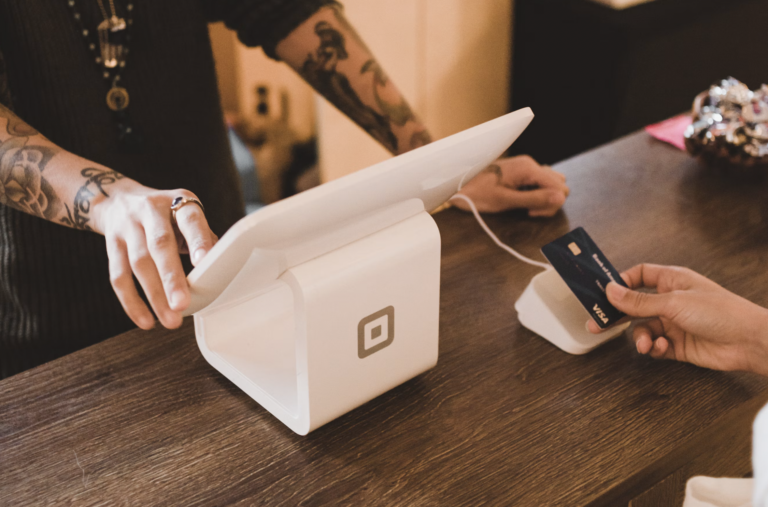

Unfortunately, Square holding funds is a common occurrence. And it happens far more often with them compared to a traditional credit card processor.
Why?
There’s a variety of reasons for this, but it’s all tied to Square’s own internal risk tolerance. If a particular sale or transaction pattern doesn’t align with your history and how Square views your account, they’ll hold your funds to ensure everything is legitimate.
The fastest way to get your money released by Square is to prove the sales are authentic and they aren’t at risk of chargebacks or fraud disputes.
It’s a pain, but that’s one of the risks associated with using a PayFac like Square.
Square Approves You in Minutes and Underwrites You Later
With a traditional merchant account, your business gets vetted before you process your first sale. This can take anywhere from a few days to weeks while the processor’s underwriting team evaluates your risk level. Limits are set up front, and it’s rare for there to be a surprise that would trigger a hold.
Square is different.
As a PayFac, they sign you up in minutes as a sub-merchant account under Square’s master account.
While it sounds simple, one of the downsides is that it skips that initial vetting process. So held funds from Square are typically tied to underwriting that happens later on, after your activity gives Square a reason to take a closer look at you.
In a customer complaint on an official Square forum, a Square rep confirmed that a hold can be triggered so Square can “learn about businesses and the types of services they are providing” and understand “how your business is run.”
Those are basic questions that any direct processor would know during the merchant account application. They wouldn’t approve you if there were any uncertainties.
Other PayFacs, like Stripe, hold funds too. So it’s not a problem that’s unique to Square. But the exact triggers and resolution vary slightly based on the provider.
Scenarios Most Likely to Trigger a Square Hold
These are some of the most common examples that lead to Square freezes, fund holds, and account reviews.
One-off large ticket: Let’s say you’re a contractor using Square and your average invoice is around $2,000. If you process a $9,500 sale, Square may hold your funds to determine why this particular transaction was so much higher.
New account with an early large payment: If you just set up a new Square account and start processing $7,000 payments on day one, expect Square to ask you for clarification on what you’re doing.
Spike in activity: Square doesn’t like irregularities. So if a food truck regularly does ~$2,000 per day, but then attends a festival or event that generates $30,000 in a single weekend, Square’s internal triggers will almost certainly hold your funds if you didn’t notify them ahead of time.
Deposits for future work: When the customer pays for something in advance that hasn’t been delivered yet, it’s a risk for Square to release your funds now in case you never follow through on your promise. This is common for service-based work, like catering, events, or construction.
Keyed cards on an account that normally takes in-person payments: It’s a red flag if all of your transactions are in-person and then you manually key in a card. Especially if that manually keyed transaction is for a large amount. Those sales carry a higher fraud risk and Square may hold your funds to protect themselves.
Changing linked bank account or business details right before a withdrawal: Any changes to your account can trigger a hold, particularly when the change is significant and hasn’t been verified while you try to withdraw money. A merchant set up as a retailer that changes their bank account to beauty and wellness would need additional verification before they could pull any money out.
What Square’s Review Team Needs to See
Square’s review team is essentially trying to answer the following questions:
- Is this business legitimate?
- Are the transactions authentic?
- Was the cardholder real?
- Will the customer get what they paid for?
You can’t ignore communication from Square while your funds are on hold. They won’t just suddenly release them without additional information from you.
The info required will vary based on the reason why your funds were frozen. So you’ll need to look at email or account messages for the specifics. Examples include:
- Signed customer contracts, authorization forms, and project timelines associated with deposits collected.
- Proof of delivery for any work that’s been completed.
- Vendor agreements, event listings, or anything that backs up your reason for a spike in sales.
- EINs, business formation documents, and a website that matches what you sell.
- Documents or receipts tied to specific payment IDs.
It’s best to send everything at once to keep organized. Because partial answers won’t release your funds and lots of back-and-forth communication just increases the chances of something getting lost.
You’re better off using phone support or email during this process. Square’s live chat isn’t good for account reviews and releasing funds on hold.
A Bigger Issue That Can Compound on Itself
One problem that Square merchants often overlook is the fact that your Square terminal will keep working even while fund transfers are suspended.
It’s obviously a good thing that a funds hold doesn’t shut down your business and prevent you from accepting card payments. But on the flip side, every single new sale just adds money to the balance Square is holding.
This is important for you to understand from a cash-flow management and operations perspective, and it’s not talked about nearly enough as it should be for this scenario.
You can’t book work unless you can complete it without the held money.
If you do, that’s only going to make matters worse as Square’s reason for holding your funds becomes true (you’re charging customers for something you can’t provide). Even if it wasn’t true during the initial hold.
So you’ll need to be transparent with your customers on open orders if there’s going to be a delay. Otherwise, if they dispute those transactions while your funds are on hold, it’s not going to look good during the account review.
90-Day Holds After Square Account Deactivations
If Square deactivates your account, the standard message in the deactivation email is that funds are held for 90 days from the notification date.
That’s to cover the 90-day window when customers can still dispute transactions.
But it’s the absolute minimum. And not necessarily a promised release of funds date. So you should be prepared for longer.
There are plenty of examples out there of merchants saying Square told them funds would be held for 90 days, then adding another 30 after those 90 days pass.
Any payments already flagged as suspicious may not come back at all.
To ensure you get those funds released after a deactivation, make sure you keep your linked bank account open the whole time and don’t make any changes to your account. You also can’t open a new Square account to get around it, as that will almost certainly trigger an account violation and potentially lock up the funds on your previous account for longer.
How to Keep Your Funds From Getting Held by Square
Whether you’ve already experienced a funding hold from Square or you’re concerned about one in the future, there are several things you can do to reduce the risk of this happening to your business:
- Contact Square before you process an irregular large ticket or ahead of an event that will lead to a spike in sales.
- Collect big deposits in stages instead of a lump sum amount.
- Send itemized invoices to your customers with details of products or services provided, not just a total.
- Always dip or tap the card instead of keying it in manually whenever the customer is present.
- Make sure the business category assigned to your Square account matches your website and what you actually sell.
- Don’t change your banking details right before irregular account activity or a larger-than-normal withdrawal.
This isn’t necessarily a foolproof formula that prevents all holds from Square. But it can definitely help. When in doubt, just contact Square ahead of time and be transparent about whatever you’re doing.
Final Thoughts
In addition to protecting your funds and ensuring you actually get paid for cards processed through Square, you should also be evaluating your merchant account fees.
Square is typically more expensive than a traditional processor. But the rates they quoted you aren’t necessarily set in stone.
You can negotiate better terms while keeping everything else the same. And part of that negotiation can include raising the limits on single transactions and total volume to help prevent future funds from being held.
If you need help dealing with Square, let our team here at MCC help you out. We’ll negotiate with them on your behalf to ensure you’re paying a fair rate and have faster access to your money.